

Lena Pilates
- HOME
- Blog
Pilates for Better Posture: How Can Pilates Improve Your Posture?
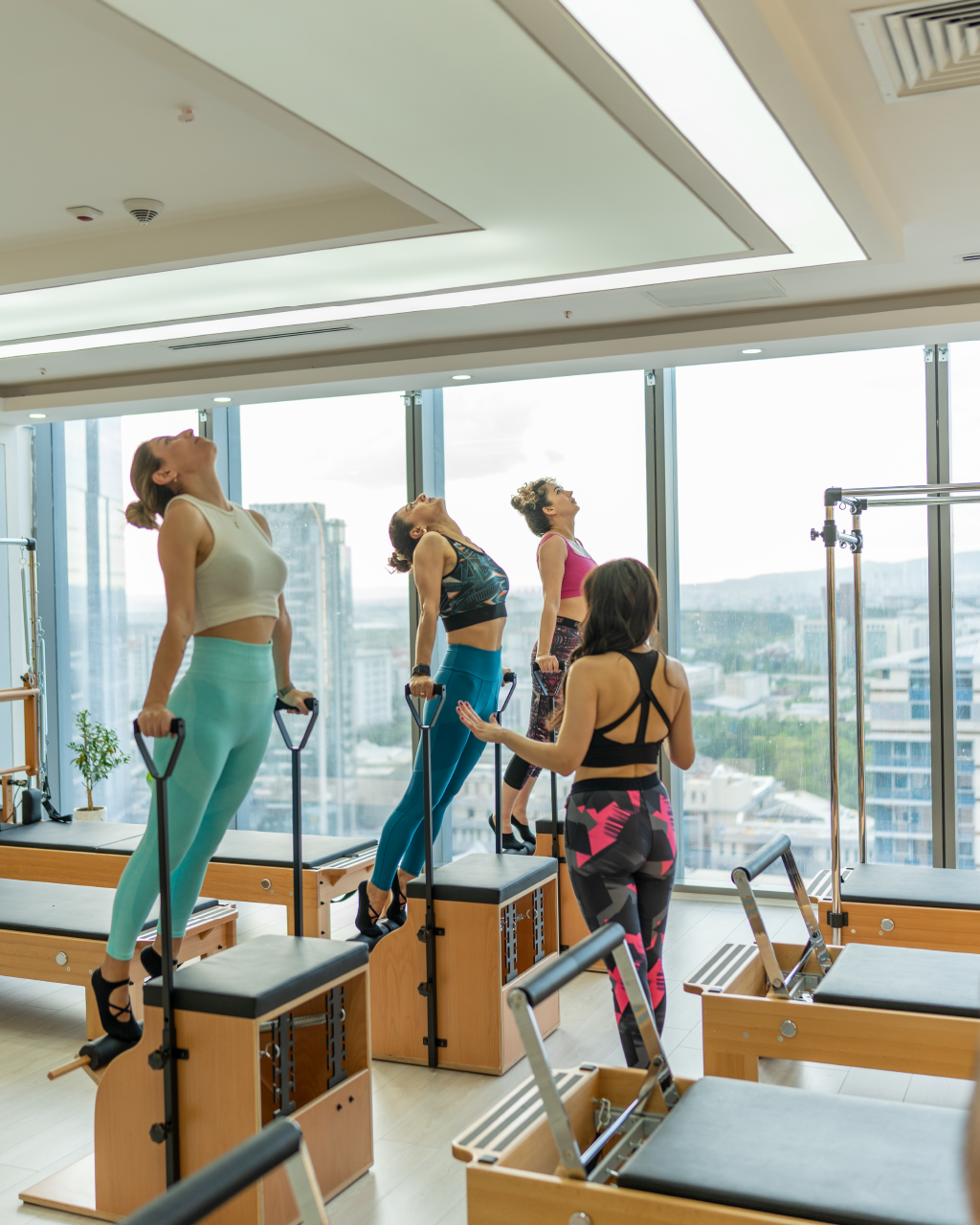
Today’s sedentary lifestyle, long hours spent sitting at a desk, and poor postural habits can all contribute to posture problems. Rounded shoulders, improper spinal alignment, and muscular imbalances around the lower back may lead to discomfort and restricted movement. Pilates is an effective way to build better posture and improve body awareness. So, how can Pilates help improve your posture?
One of the most common contributors to poor posture is a weak core, including the abdominal, lower back, and supporting trunk muscles. Your core plays an important role in supporting and stabilizing the spine. Pilates strengthens these muscles, helping your body maintain better alignment and posture.
- A Strong Foundation: A strong core helps support an upright and balanced posture. When the core is weak, maintaining proper spinal alignment can become more difficult. Pilates exercises help develop the strength needed to support a more upright posture.
- Balance and Stability: Pilates incorporates exercises that improve balance and stability. A more stable body can maintain better alignment during both exercise and everyday movement.
Spinal stiffness can also contribute to poor posture. When the spine lacks mobility, it can restrict natural movement and encourage unhealthy postural habits. Pilates helps improve spinal mobility, allowing you to move more freely while supporting better posture.
- Spinal Mobility: Pilates exercises encourage the spine to move in different directions, helping improve mobility and supporting the flexibility needed for healthy, balanced posture.
- Freedom of Movement: A more mobile spine allows you to move with greater ease and comfort, helping you maintain better posture throughout your daily activities.
Muscle imbalances can be one of the factors contributing to poor posture. While some muscles around the spine may become overactive or tight, others may remain weak or underused. Pilates promotes balanced muscle engagement, helping support better alignment and more efficient movement.
- Balanced Muscle Development: Pilates works both sides of the body with controlled and balanced movements, helping develop greater muscular symmetry and supporting healthier posture.
- Strengthening Weaker Muscles: Pilates exercises can target commonly underused muscles in the back, shoulders, and core, helping build strength and provide better support for your posture.
One of the key principles of Pilates is body awareness and control. By encouraging you to perform each movement with focus and intention, Pilates helps you become more aware of your posture and movement patterns. This awareness can also support better postural habits in everyday life.
- Body Awareness: Pilates encourages you to pay attention to spinal alignment and body positioning throughout each exercise. Over time, this awareness can help you recognize and adjust poor postural habits during daily activities.
- Mind-Body Connection: Pilates strengthens the connection between the mind and body through focused, controlled movement. This can help you become more conscious of how you sit, stand, and move throughout the day.
Rounded shoulders and a hunched posture can be associated with weak or underused back muscles and poor upper-body alignment. Pilates helps strengthen the muscles of the shoulders and back while promoting better alignment, making it easier to maintain a more upright and balanced posture.
- Improving Shoulder Alignment: Pilates exercises encourage better shoulder positioning while strengthening the muscles of the upper back. This can help reduce the tendency for the shoulders to round forward and support a more natural alignment.
- Strengthening the Back: Pilates targets the muscles that support the spine and upper body. Building strength in these areas can provide greater stability and help you maintain healthier postural habits.
Breathing plays an important role in Pilates, helping you move with greater control and awareness. Focused breathing can promote relaxation, reduce unnecessary tension, and support more natural and balanced movement. Since stress and muscular tension can influence the way we hold our bodies, mindful breathing can also contribute to healthier postural habits.
Have a Question?
Feel free to contact us with any questions, feedback, or inquiries. We’ll be happy to help.
+90 533 020 10 88
iletisim@lenapilates.com
Pilates can be a valuable part of developing better posture and healthier movement habits. By strengthening the core, improving spinal mobility, addressing muscle imbalances, and increasing body awareness, Pilates can help you move with greater balance and confidence. With regular practice, you can gradually replace poor postural habits with stronger, more mindful movement patterns.
One Response