
Lena Pilates
- HOME
- Blog
From Beginner to Advanced: How to Choose the Right Pilates Program
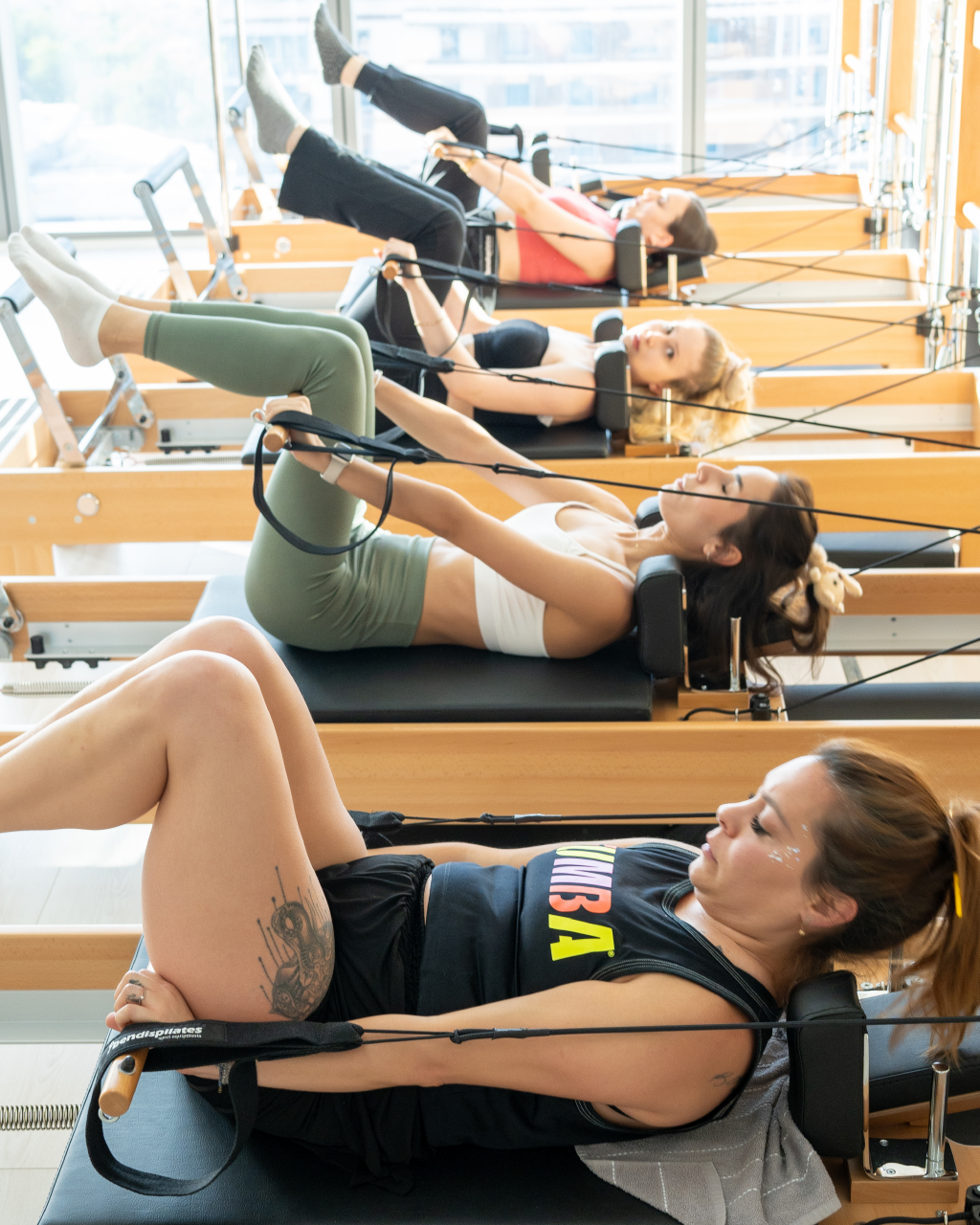
Pilates is a versatile exercise system that can be adapted to different fitness and experience levels. From fundamental movements for beginners to more challenging exercises for experienced practitioners, the right program depends on your individual needs and goals. So, how do you choose the right Pilates program? Below, we’ll explore what to consider as you progress from beginner to advanced levels.
For those who are new to Pilates, the priority is to learn the fundamentals, develop body awareness, and become comfortable with the basic movement principles. At this level, the goal is to build a strong foundation that prepares the body for gradual progression.
- Fundamental Movements: Beginner programs focus on developing core control, posture, breathing, and body awareness through simple and controlled movements.
- Low-Intensity Approach: Exercises are generally performed at a comfortable pace, allowing the body to become familiar with Pilates techniques without unnecessary strain.
- Training Frequency: Practicing Pilates consistently two to three times per week can help you become more familiar with the movements and gradually develop strength, control, and confidence.
Pilates exercises help improve flexibility while also developing balance and control. By encouraging the muscles to move through a greater range of motion, Pilates can help you feel more flexible and mobile. Improved mobility can also support greater freedom of movement in the joints, making everyday activities feel easier and more comfortable.
As you progress to an advanced level, Pilates movements become more complex and physically demanding. Advanced programs combine strength, control, balance, mobility, and coordination, challenging the body through more sophisticated movement patterns.
- Advanced Movements: At this level, sessions may include challenging exercises such as reverse planks, advanced balance work, and more complex core exercises. Reformer and other Pilates equipment may also be incorporated to add variety and challenge.
- Greater Intensity: Advanced sessions may involve more demanding movement sequences and increased levels of resistance, control, and endurance. Strength, mobility, stability, and muscular endurance become increasingly important at this stage.
- Training Frequency: The ideal training frequency depends on your goals, experience, recovery, and overall activity level. A qualified instructor can help you create an appropriate schedule that supports continued progress without unnecessary strain.
- Know Your Level: If you’re new to Pilates, start by learning the fundamental movements and developing proper technique, control, and body awareness. As your strength and confidence improve, you can gradually progress to more challenging exercises.
- Define Your Goals: Consider what you want to achieve through Pilates, whether it’s building strength, improving flexibility and mobility, supporting weight management, or simply moving and feeling better. Choose a program that aligns with your individual goals.
- Consider Your Health & Physical Needs: If you have existing concerns involving your back, knees, shoulders, or other areas, it’s important to consult a qualified healthcare professional when appropriate and work with your instructor to choose a suitable starting level.
Have a Question?
Feel free to contact us with any questions, feedback, or inquiries. We’ll be happy to help.
+90 533 020 10 88
iletisim@lenapilates.com
When choosing a Pilates program, it’s important to consider your current experience level, individual goals, and movement needs. The right program should allow you to progress gradually while developing strength, control, mobility, and body awareness. Starting at an appropriate level and progressing at your own pace can help you get the most out of your Pilates journey.
One Response